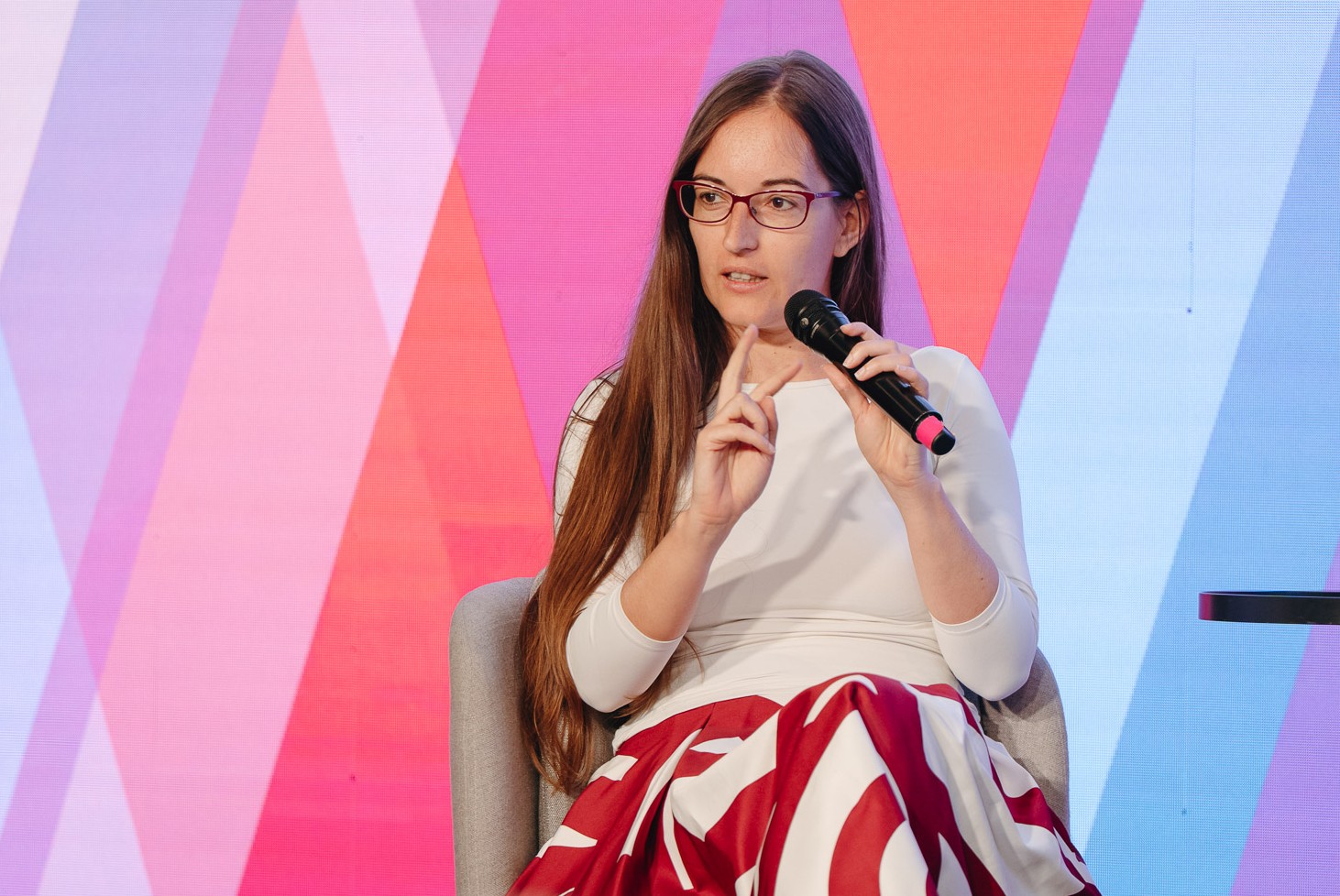
“The bad news is that the energy sector is experiencing very turbulent times from an LNG supply perspective. The good news is that Europe is now far more open to LNG, it is less exposed to Middle Eastern LNG than the Asian markets, and has access to LNG from Atlantic routes” – this is how Luis Sánchez summarized the current market challenges.
Whilst total European gas consumption has decreased in the past few years, LNG imports have significantly increased. Between 2014 and 2024, they grew at a rate of 9.9% per year. However, MET Group’s Head of LNG emphasized that this is not simply a case of replacing one dependency with another.
“LNG is not linked to a single source and therefore provides a higher degree of supply diversification. Furthermore, unlike pipeline gas, LNG is a global commodity that can be diverted to other markets, allowing supply to adjust to changes in European energy demand at any given time. This is why LNG increases the security of supply in Europe.”
According to Luis Sánchez, geopolitical crises reinforce two things: first, LNG is indispensable – without it, Europe’s energy system would not have held together in recent years; second, LNG is not immune to geopolitical risk – as a global commodity, it is vulnerable to global disruptions.
MET Group has significantly increased its LNG business in the past 15 months, tripling its activity to deliver 7.1 bcm across 17 markets in Europe (Belgium, Croatia, France, Germany, Greece, Italy, Lithuania, the Netherlands, Spain, Turkey, and the UK) and beyond (Egypt, Jordan, India, China, Japan, and Korea). “We are proud to act as a gateway to Europe, connecting global LNG producers with end customers across the continent. We want to become the partner of reference for LNG in Europe,” Luis Sánchez said.
“Europe tends to think in terms of spreads, while Asia focuses more on absolute prices and is generally more price sensitive,” Eszter Szekeres, CEO of MET Hungary said in a panel discussion at the Budapest LNG Summit. “Europe should also adopt a more long-term approach, focusing on absolute prices and avoiding the role of marginal price setter.”
Europe maintained higher storage levels in previous years, and the market may soon begin pricing in the risks for the next winter. In this context, filling gas storage facilities has become a priority. Eszter Szekeres added that energy companies are now responsible for finding risk management solutions for their customers, providing stability and predictability.
“This is our main responsibility as an energy trading company. We understand the market and we need to come up with innovative solutions for our clients.”